Description
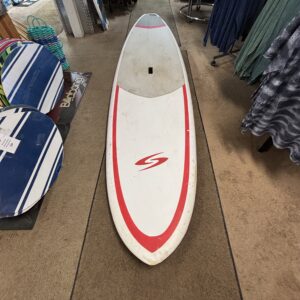
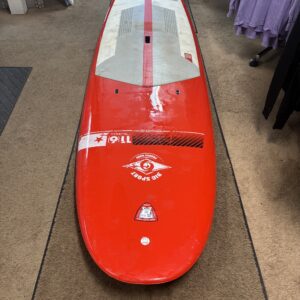
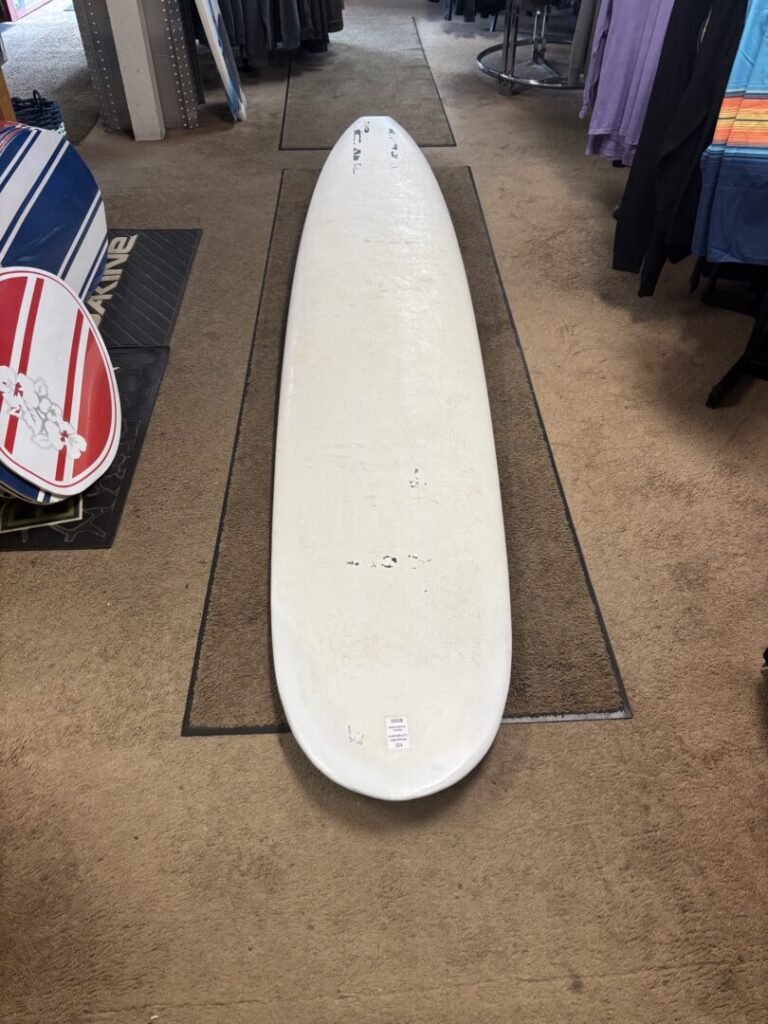
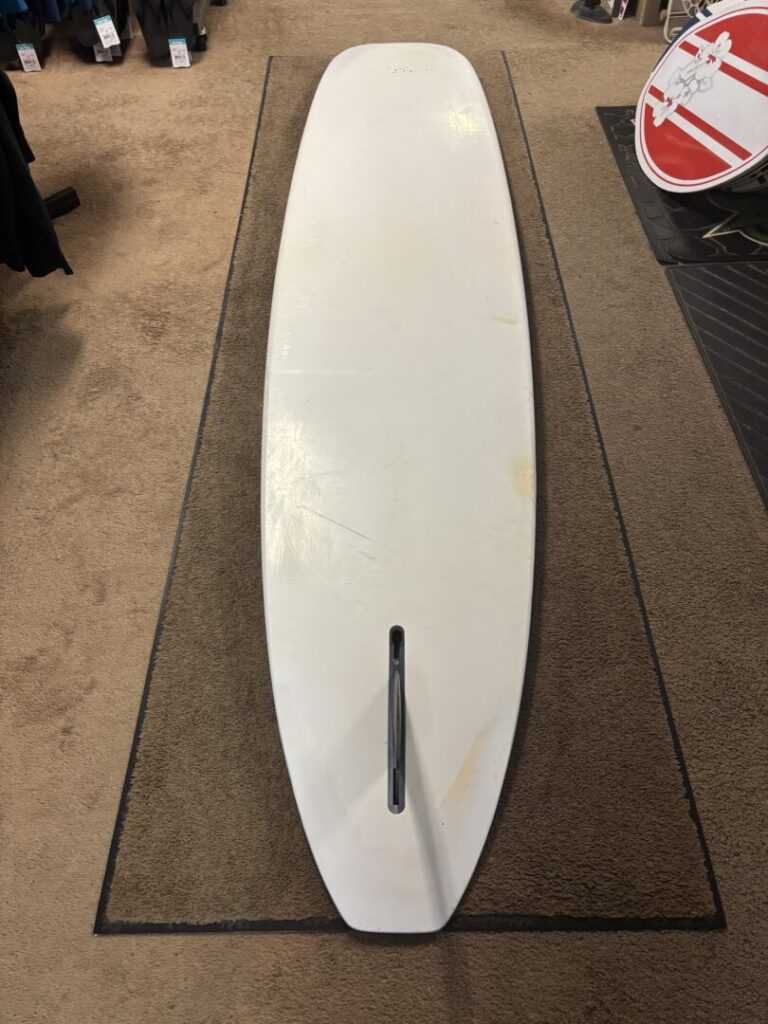
10’ Used BIC Noserider Longboard
Epoxy fiberglass construction. Super strong rigid board. No visible pressure dings on deck.
First $500 takes it home!
The 10′ BIC Noserider is a classic, highly durable longboard surfboard designed by master Santa Cruz shaper Bob Pearson of Pearson Arrow Surfboards. It is widely celebrated in the surfing community as an absolute wave-catching machine (“a log”) that accommodates everyone from complete beginners to heavy riders and seasoned longboarders. [1, 2, 3, 4]
Because the original aluminum manufacturing mold for this specific model broke years ago, these iconic boards are now only available on the second-hand market, making them highly sought-after vintage collector items. [1, 2]
Key Specifications & Dimensions
- Length: 10’0″
- Width: 23.5″ to 23.75″
- Thickness: 3.125″ to 3.4″
- Volume: Approximately 79 to 98 Liters (depending on the exact production run/thickness)
- Fin Setup: Single Fin
- Tail Shape: Square Tail [1, 2, 3]
Design & Performance
Bob Pearson poured decades of longboarding expertise into this shape to maximize stability, glide, and ease of use. [1]
- Early Wave Entry: Features a relatively flat rocker profile, allowing it to paddle incredibly fast and catch small, weak waves or rolling swells effortlessly. [1, 2]
- True Noseriding: The wide, well-proportioned nose template provides a stable platform for walking the board and hanging toes over the nose. [, 2]
- Big Rider Friendly: Offering high-volume displacement, it is one of the few mass-produced longboards built to comfortably float and perform for bigger, heavier surfers. [1, 2]
Construction: E-Comp Technology
Unlike traditional fiberglass surfboards, BIC manufactured this board using their proprietary E-Comp (Epoxy Composite) technology. [1]
- The Process: An ultra-lightweight EPS foam core is wrapped in 6-oz fiberglass cloth and epoxy resin. This core is then compressed inside aluminum molds with an outer protective Thermo-Plastic (ASA) skin. []
- The Result: A board that is roughly 30% more durable than a standard polyester surfboard while maintaining great flex properties. Owners frequently refer to these boards as “basically indestructible” and highly watertight, though they are notably heavier to carry on land than modern carbon alternatives